Companion Plants That Will Make Your Kale And Collards Thrive
Companion Planting That Will Make Your Kale and Collards Thrive
Kale and collard greens are two popular leafy greens that are packed with nutrients. They are also relatively easy to grow, but there are a few things you can do to help them thrive. One of the best things you can do is to plant them with companion plants.
Companion planting is the practice of planting certain plants together that benefit each other. There are a number of different companion plants that can be beneficial for kale and collard greens. Some of the best include:
- Alliums: Alliums, such as garlic, onions, and chives, have a strong scent that can deter pests such as aphids, cabbage loopers, and flea beetles. They can also help to improve the flavor of kale and collard greens.
- Beans: Beans are nitrogen-fixing plants, which means they can help to improve the nitrogen content of the soil. This can benefit kale and collard greens, which are heavy feeders.
- Carrots: Carrots help to repel the carrot fly, a common pest of kale and collard greens. They also help to improve the drainage of the soil, which can be beneficial for these plants.
- Cucumbers: Cucumbers help to attract beneficial insects, such as ladybugs and lacewings, which can help to control pests. They also help to suppress weeds.
- Herbs: A number of herbs, such as basil, dill, and mint, can help to repel pests and attract beneficial insects. They can also add flavor to kale and collard greens.
In addition to these specific companion plants, there are a few general principles that you can follow when companion planting kale and collard greens. First, try to plant tall plants, such as marigolds or sunflowers, near kale and collard greens to provide them with some shade. This can help to keep the leaves cool and prevent them from becoming sunburned. Second, avoid planting kale and collard greens near plants that are susceptible to the same pests or diseases. For example, you should not plant them near broccoli or Brussels sprouts, as these plants are both susceptible to cabbage worms.
By following these tips, you can help to ensure that your kale and collard greens thrive. With a little care and attention, you can enjoy a bountiful harvest of these delicious and nutritious greens.
FAQ of companion plants for kale and collards
- What are the best companion plants for kale and collards?
Some of the best companion plants for kale and collards include:
- Alliums: Alliums, such as onions, garlic, and chives, have a strong scent that deters pests, such as aphids and cabbage loopers.
- Beans: Beans fix nitrogen in the soil, which can benefit kale and collards.
- Carrots: Carrots help to repel pests, such as the carrot rust fly.
- Cucumbers: Cucumbers help to attract pollinators, which can help to improve the yield of kale and collards.
- Marigolds: Marigolds have a strong scent that deters pests, such as nematodes and whiteflies.
- Can kale and collard greens be planted together?
No, kale and collard greens should not be planted together. They are both members of the Brassicaceae family, and planting them together can attract the same pests. It is best to plant them in separate areas of the garden.
- What are some good companion plants for collard greens?
Some good companion plants for collard greens include:
- Hyssop: Hyssop attracts pollinators and helps to repel pests.
- Thyme: Thyme helps to repel pests and improve the flavor of collard greens.
- Artemisia: Artemisia helps to repel pests and improve the drainage of the soil.
- Lettuce: Lettuce is a good companion plant for many vegetables, including collard greens.
- Spinach: Spinach is a good companion plant for collard greens because it has similar growing requirements.
- What are some bad companion plants for kale and collard greens?
Some bad companion plants for kale and collard greens include:
- Brussels sprouts: Brussels sprouts can attract the same pests as kale and collard greens.
- Cabbage: Cabbage can attract the same pests as kale and collard greens.
- Cauliflower: Cauliflower can attract the same pests as kale and collard greens.
- Radishes: Radishes can compete with kale and collard greens for nutrients.
- Tomatoes: Tomatoes can attract the nematodes that can damage kale and collard greens.
- How do companion plants benefit kale and collard greens?
Companion plants can benefit kale and collard greens in a number of ways, including:
- Attracting pollinators: Companion plants that attract pollinators, such as marigolds and hyssop, can help to improve the yield of kale and collard greens.
- Repelling pests: Companion plants that have a strong scent, such as alliums and marigolds, can help to repel pests, such as aphids and cabbage loopers.
- Improving soil quality: Companion plants that fix nitrogen in the soil, such as beans, can help to improve the soil quality for kale and collard greens.
- Providing shade: Companion plants that provide shade, such as lettuce and spinach, can help to protect kale and collard greens from the hot sun.
Image of companion plants for kale and collards
5 different images of companion plants for kale and collards:
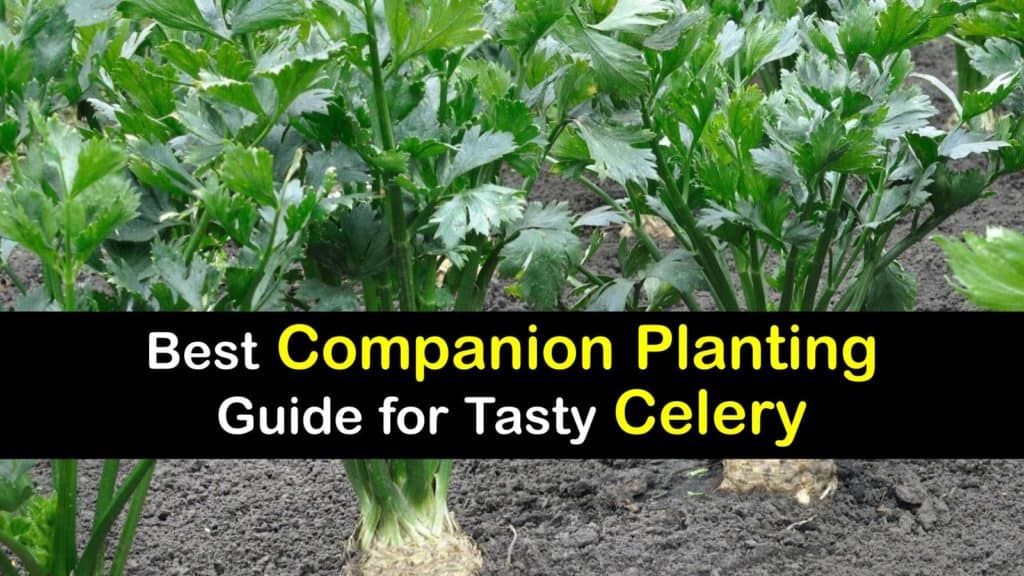
- Celery: Celery helps to repel pests such as aphids and carrot flies.
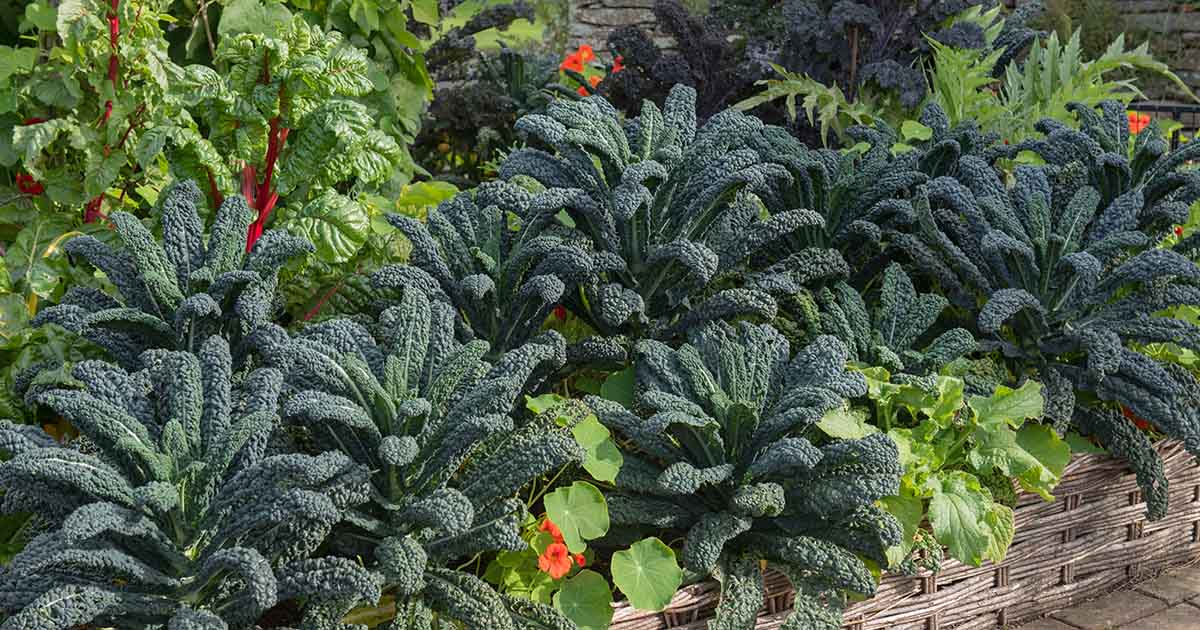
- Onions: Onions help to repel root-knot nematodes, which can damage the roots of kale and collards.
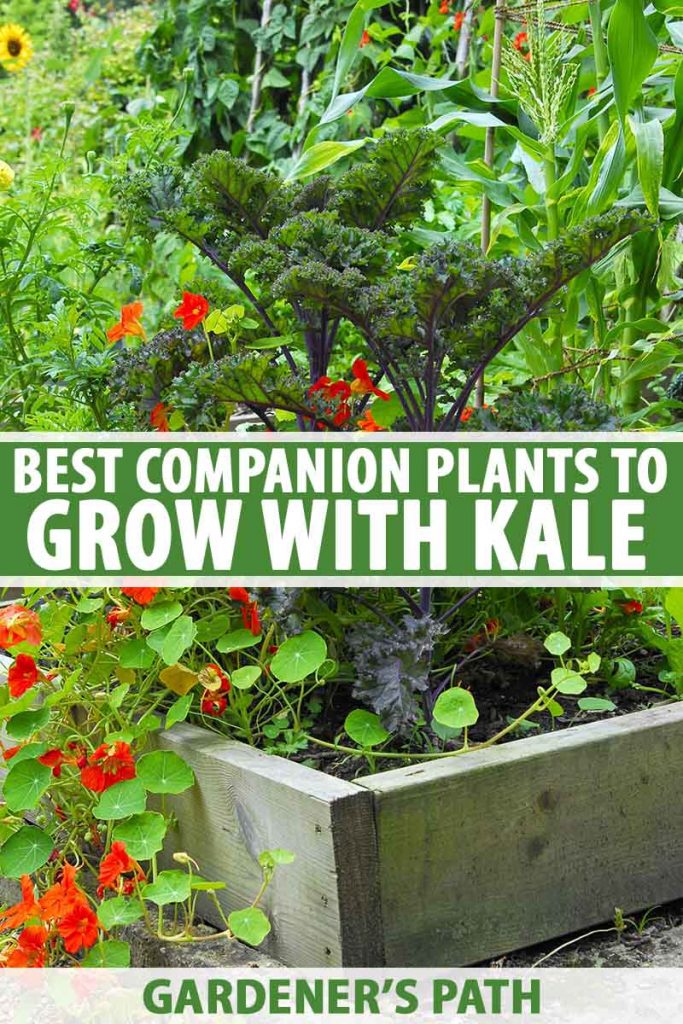
- Potatoes: Potatoes help to suppress weeds, which can compete with kale and collards for water and nutrients.
- Dill: Dill helps to attract beneficial insects, such as ladybugs and hoverflies, which prey on pests that can harm kale and collards.
- Chamomile: Chamomile helps to improve the flavor of kale and collards. It also helps to repel pests such as cabbage moths and loopers.

Post a Comment for " Companion Plants That Will Make Your Kale And Collards Thrive"